
Invisalign is a revolutionary way to align teeth up to 50% faster than conventional braces. They are more aesthetically pleasing and allow you to brush and clean your teeth throughout the treatment process properly. Invisalign is significantly less noticeable and more comfortable than traditional braces.
Invisalign aligners are made from clear plastic, so most people won’t notice you are wearing them. This makes them especially attractive for adults and professionals who want to improve their smile without the appearance of metal braces.
Unlike braces, Invisalign aligners can be removed when eating. There are no food restrictions, so you can enjoy foods like popcorn, nuts, or apples.
Because the aligners come out, brushing and flossing is much easier compared with braces. This helps reduce the risk of cavities, gum inflammation, and plaque buildup.
Invisalign aligners are smooth plastic with no metal brackets or wires, which means less irritation to cheeks and gums and fewer emergency visits for broken wires.
Patients usually receive several sets of aligners at once and switch them every 1–2 weeks, resulting in fewer adjustment visits compared with braces.
Invisalign uses advanced 3-D imaging technology to map tooth movement, allowing patients to see a digital preview of their expected final smile before treatment begins.
For athletes or musicians, Invisalign can be removed temporarily if needed, making it easier to play contact sports or instruments.
Is Invisalign® treatment appropriate for you? For the majority of cases, the answer is yes. Invisalign treatment is clinically proven
to be effective for a broad range of teeth straightening cases, from mild to complex.
These are some common concerns doctors treat with Invisalign clear aligners:
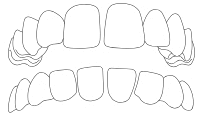
Gaps between teeth can occur with abnormal continued growth of the jawbone. Missing teeth can also cause the surrounding teeth to shift due to the extra space creating gaps in your teeth. Spacing issues and gaps between teeth can lead to gum problems (due to lack of protection by the teeth), periodontal pockets and increased risk of periodontal disease.
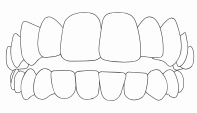
Open bite often occurs when some teeth are unable to make physical contact with the opposing teeth for a proper bite. Most often caused by a genetic abnormal jaw structure or excessive thumb-sucking, an open bite can cause poor or painful chewing, and even speech impairment. It can also lead to greater issues like temporomandibular joint disorder (TMJ).
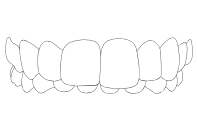
Overbite occurs when the upper teeth bite over the lower teeth. It’s typically caused by genetics, bad oral habits, or overdevelopment of the bone that supports the teeth. This can lead to gum problems or irritation, and/or wear on the lower teeth, and can cause painful jaw and joint problems.
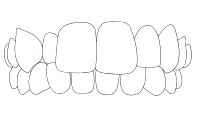
Crossbite can occur when the upper and lower jaws are both misaligned. It causes one or more upper teeth to bite on the inside of the lower teeth, and can happen on both the front and the sides of the mouth. This can cause wear of the teeth, gum disease and bone loss.
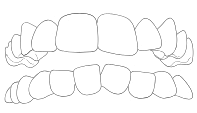
Teeth crowding occurs when there is simply a lack of room within your jaw for all of your teeth to fit normally. When left untreated, overly crowded teeth can get worse over time, and result in severely crooked teeth. This crowding can lead to plaque accumulation, tooth decay and an increased chance of gum disease.
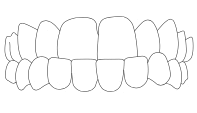
Underbite can occur when the lower teeth protrude past the front teeth. It’s usually caused by undergrowth of the upper jaw, overgrowth of the lower jaw, or both. It can also be caused by missing upper teeth. This can prevent the normal function of front teeth or molars, which can lead to tooth wear. It can also cause painful jaw and joint problems.